
Research at CiDrep SickKids
CiDrep SickKids Foundation conducts equity-first computational research in pediatric epilepsy. Our research program - the **Pediatric Epilepsy Risk Atlas** - integrates electronic health record, neuroimaging, genomic, and geo-coded social determinants of health data to develop fair, interpretable machine-learning tools for the children who need them most. We believe children are not small adults. The developing pediatric brain is mechanistically distinct from the adult brain, and risk-stratification tools must be built specifically for children - not adapted from adult populations.
Current Research
Pediatric Epilepsy Risk Atlas (Research Program)
A multimodal, equity-audited machine-learning framework that predicts 12-month clinical risk for children newly diagnosed with epilepsy or seizure disorders. The Risk Atlas integrates four data modalities at national scale, for the first time, on pediatric cohort:
**Clinical EHR features** diagnoses, antiepileptic drug exposure, comorbidities (cerebral palsy, neurodevelopmental delay, autism), and healthcare utilization.
**Neuroimaging utilization signals** EEG and MRI/CT procedure records as proxies for clinical concern and disease severity
**Genomic variants** SCN1A, KCNQ2, CDKL5, STXBP1 and other established epilepsy genes from short-read whole-genome data
**Geo-coded social determinants of health (SDOH)** neighborhood deprivation, distance to pediatric neurology, rural/urban classification, insurance status.
The Risk Atlas predicts three clinically actionable endpoints within 12 months of diagnosis: **seizure recurrence, status epilepticus, and unplanned hospital readmission.** Every model is paired with a structured fairness audit across race, ethnicity, rurality, and insurance status — and mitigation steps are applied before any clinical translation.
**Status:** Active development.
Future Research Directions
The multimodal feature-engineering and fairness-audit pipeline developed for epilepsy is designed to generalize to other pediatric conditions, including childhood asthma, type-1 diabetes, ADHD, and sickle-cell disease.
Research Approach
We apply machine learning **responsibly** with transparency, fairness, and interpretability at the center.
Scientific Director
Michael W. Craige, PhD, Founder and Scientific Director
His subsequent peer-reviewed work in biomedical and health-sciences informatics, published in *Nature Communications*, *Frontiers in Oncology*, and *Nature Scientific Reports*, applies machine-learning frameworks to regulatory networks, tissue-specific biological aging, and alternative-splicing signatures of colorectal adenocarcinoma, providing the methodological foundation for the multimodal pediatric epilepsy modeling underway today.
Partnerships & Hub Engagement
CiDrep SickKids actively seeks academic, clinical, and industry partners working on equitable pediatric AI, particularly pediatric epileptologists, neuroradiologists, biostatisticians, pediatric genomicists, and patient and family advisors. We design our research to produce open, reusable resources that grow community capacity rather than single-lab outputs. If you would like to collaborate, fund, or contribute to our research, please reach out.
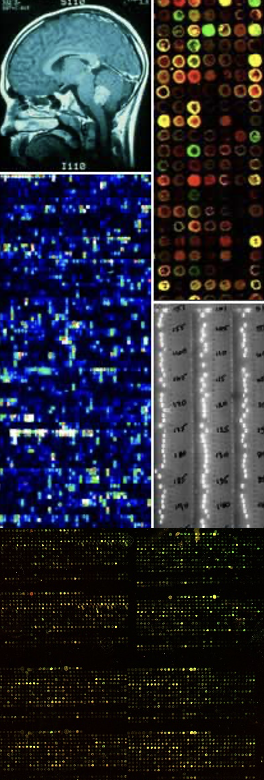






Work Alongside AI/ML Biomedical and Health Sciences Researchers
So how do these good things happen? The ability to apply machine learning responsibly, with transparency and fairness, is central to our mission of improving pediatric health outcomes. We are particularly motivated by the opportunity to use machine learning to develop artificial intelligence that combine clinical, genomic, and neuroimaging to uncover hidden drivers of epilepsy.

Michael W. Craige, Ph.D., MHSA, MBA
Founding Director and Chief Scientific Officer
The CiDrep SickKids Foundation is a State of Georgia–based public 501(c)(3) charity and nonprofit child health research organization. We conduct and translate groundbreaking computational research while supporting national scientific communities with knowledge and resources. The Foundation receives, manages, and distributes funds, and income derived from those funds, to benefit hospitals providing pediatric care, medical research organizations, and individuals in need of medical care, research support, or other activities that advance child health.