01
Pediatric neurology & epilepsy
Study the factors associated with epilepsy, seizure disorders, disease progression and clinically important outcomes in children.

CiDrep SickKids conducts equity-first computational pediatric health research to build interpretable evidence that can support earlier, fairer and more informed care.
Our current program combines pediatric clinical questions with multimodal data science, transparent modeling and structured fairness evaluation.
The Pediatric Epilepsy Risk Atlas integrates electronic health record, neuroimaging, genomic and geo-coded social-determinants-of-health data to study clinically important risk patterns in pediatric epilepsy. The program is designed to identify early biomarkers and disease trajectories, examine the timing of interventions, and develop interpretable machine-learning models for pediatric risk stratification.
The research includes data from the All of Us Research Program and is structured around clinically meaningful questions rather than model complexity alone.
Children are not small adults.
The developing pediatric brain is mechanistically distinct from the adult brain. Risk-stratification tools should be designed for children, not simply adapted from adult populations.
Four connected areas define the current research portfolio and how the Foundation approaches pediatric computational research.
Study the factors associated with epilepsy, seizure disorders, disease progression and clinically important outcomes in children.
Integrate clinical records, neuroimaging, genomics and geo-coded social determinants to characterize pediatric risk more completely.
Develop models whose behavior, predictors and limitations can be evaluated transparently and understood in clinical context.
Assess performance and error patterns across relevant populations rather than relying on aggregate accuracy alone.
Which clinical, imaging and genomic signals are associated with progression and changing risk over time?
Can interpretable models help identify children at elevated risk for recurrent seizures or status epilepticus?
Which factors are associated with hospitalization after initial episodes or diagnosis, and where might earlier intervention matter?

Dr. Craige is a biomedical informaticist and clinical data scientist whose research spans computational biology, clinical informatics, machine learning, genomics and multimodal health data. His peer-reviewed work has examined molecular signatures of disease progression, biological aging and mechanisms of treatment resistance.
At CiDrep SickKids, he leads the Foundation's computational pediatric health research portfolio and the Pediatric Epilepsy Risk Atlas, with an emphasis on clinically relevant questions, interpretable methods, reproducible evidence and structured fairness evaluation.
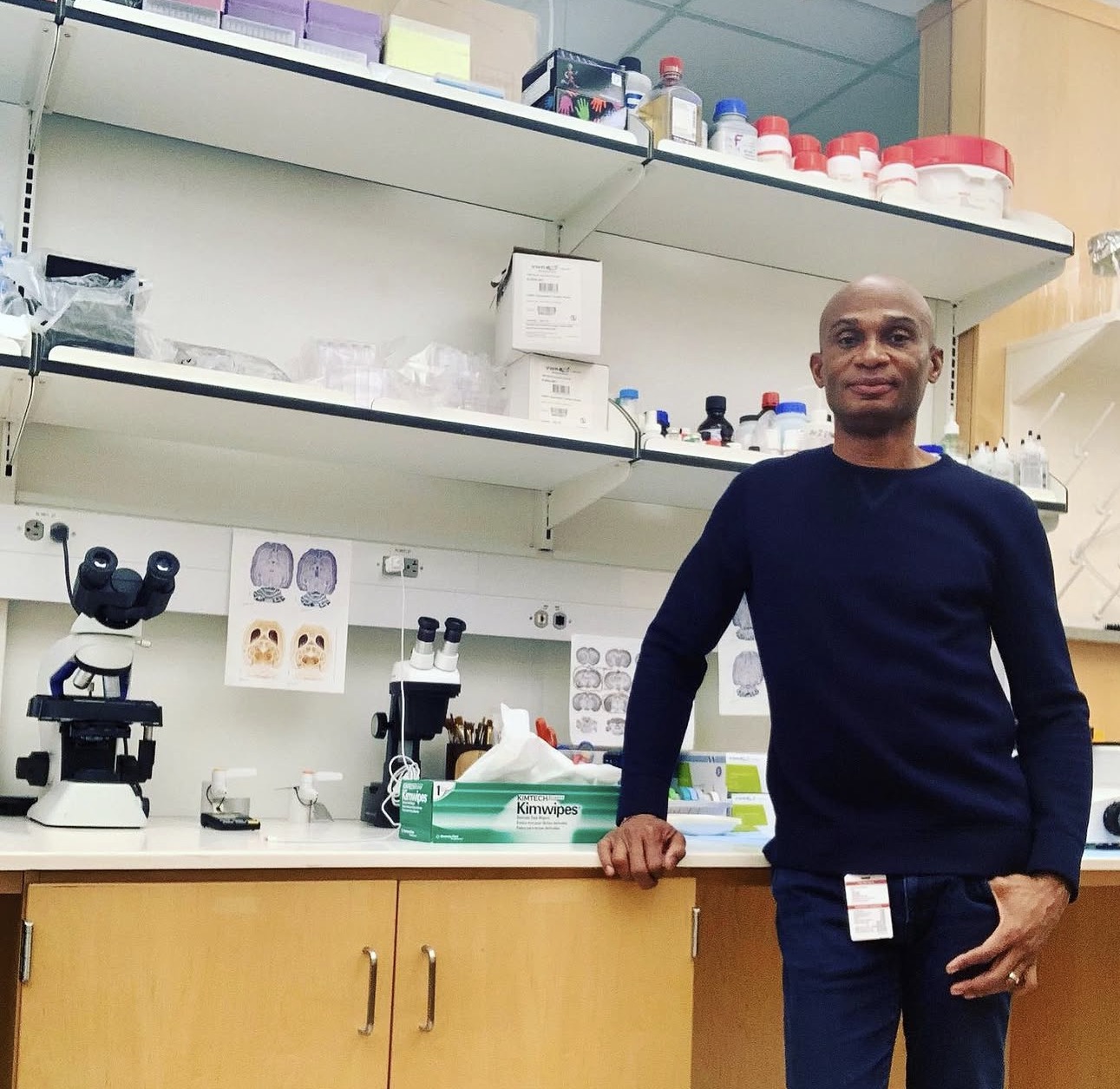
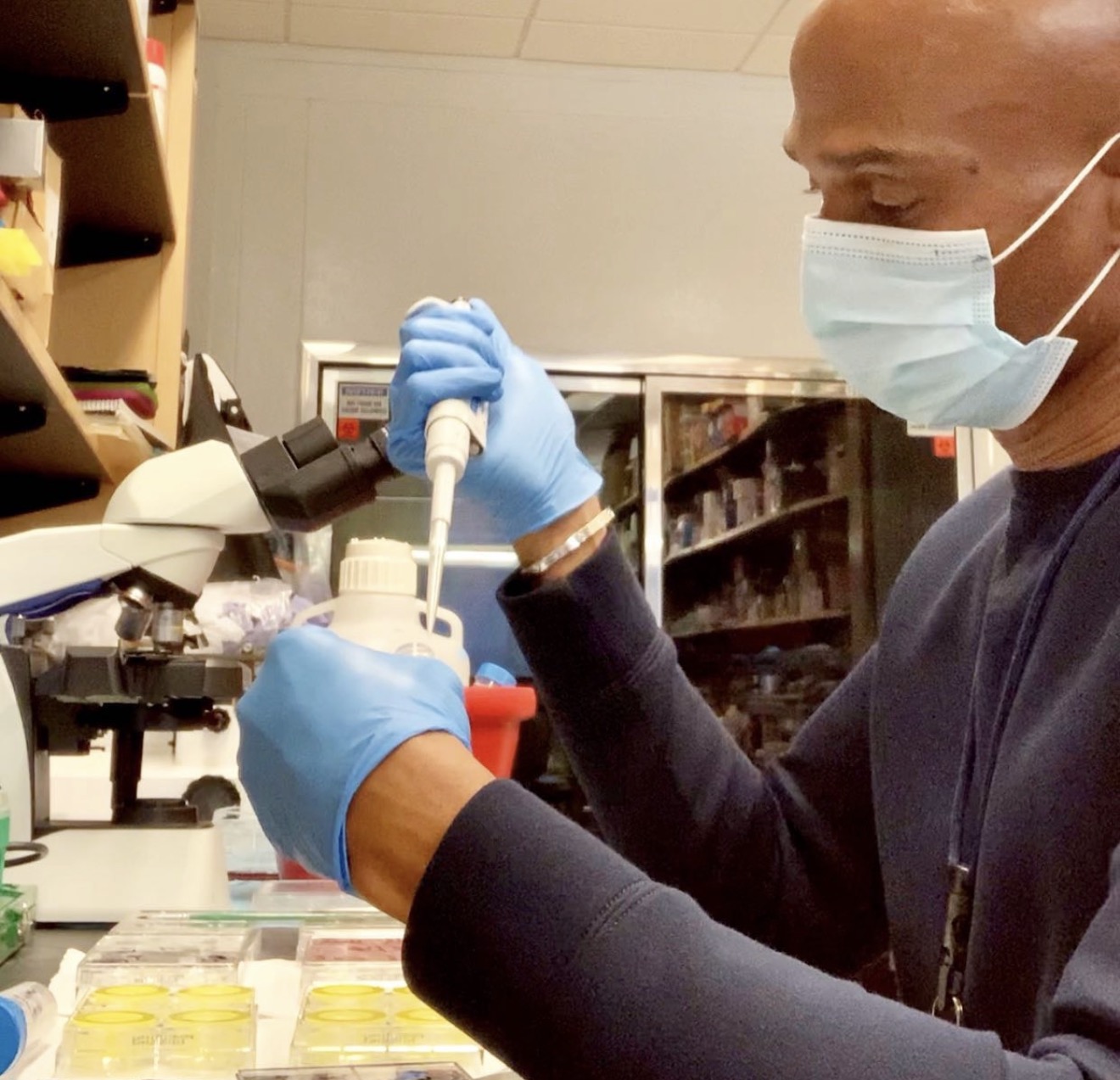

Current PubMed-indexed publications authored by Michael W. Craige, listed most recent first.
Our methods are built around traceable evidence, clinically meaningful interpretation and explicit evaluation of performance across populations.
Define cohorts, outcomes, missingness, data provenance and subgroup performance before interpreting model results.
Favor methods that support clinically meaningful explanation and transparent assessment of model behavior.
Evaluate errors and performance across relevant population groups rather than relying on aggregate accuracy alone.
The objective is not to build predictive models for their own sake. CiDrep SickKids research is intended to generate interpretable evidence that can help identify high-risk children earlier, clarify where disparities may exist, and support better-informed pediatric care.
Multimodal pediatric dataClinical, imaging, genomic and contextual evidence.
Interpretable analysisTransparent models tied to clinically meaningful questions.
Fairness assessmentEvaluate how performance and errors vary across populations.
Clinically useful evidenceSupport earlier risk recognition and better-informed care.
Earlier Foundation prevention work addressed infant mortality and disparities in maternal and infant outcomes in Georgia, with a long-term focus on reducing preterm birth, low birth weight and SUID/SIDS through evidence-based interventions. This historical work is presented separately from the Foundation's current Pediatric Epilepsy Risk Atlas program.